
KNOW YOUR TOP 20 ANNUALS
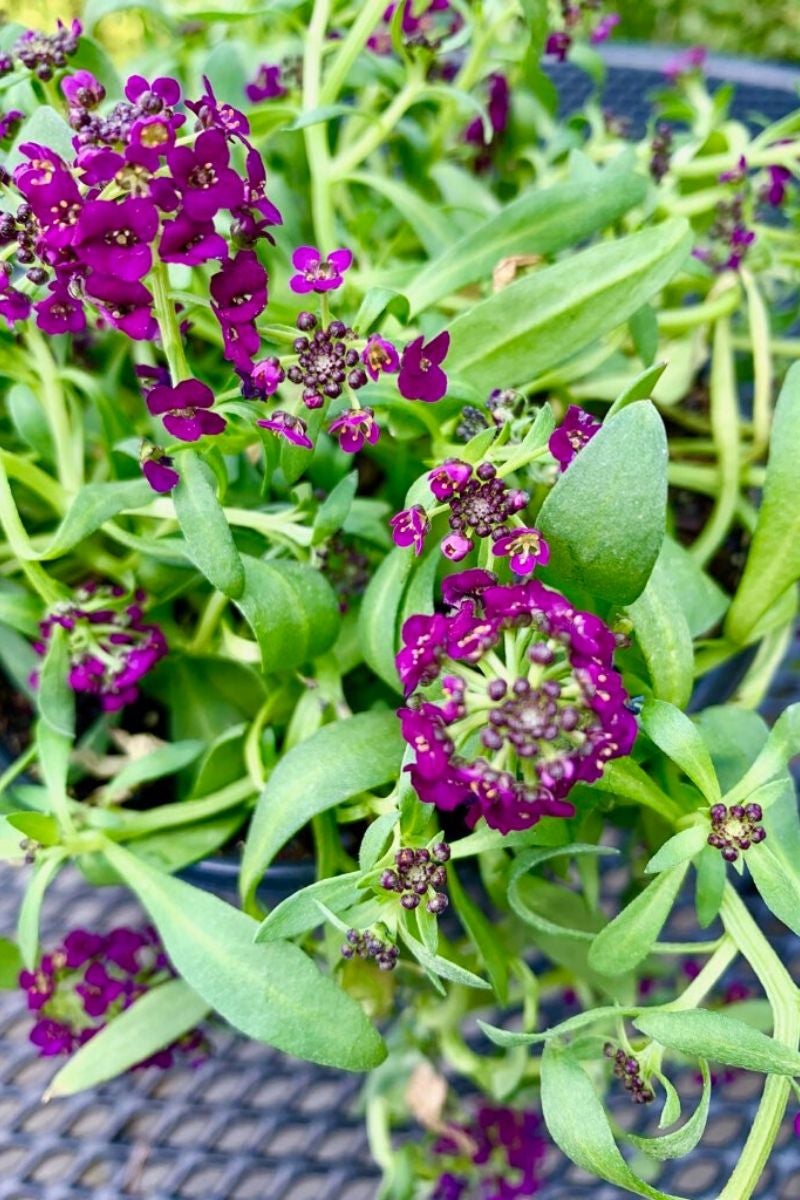
Alyssum -
- Dependable annual flowering ground cover for front of border 3-5” tall, 6-8” wide.
- Multiple color choices of sweetly fragrant: white, deep pink, rose, violet and lavender-purple flowers that cover the top of the mounded plant. White tends to have the strongest scent.
Tips: Not at its best during extremely hot days and nights, but will tolerate some light shade. Best performance comes with: shearing off old flowers after each wave of bloom and keeping plants evenly moist (DON’T waterlog).
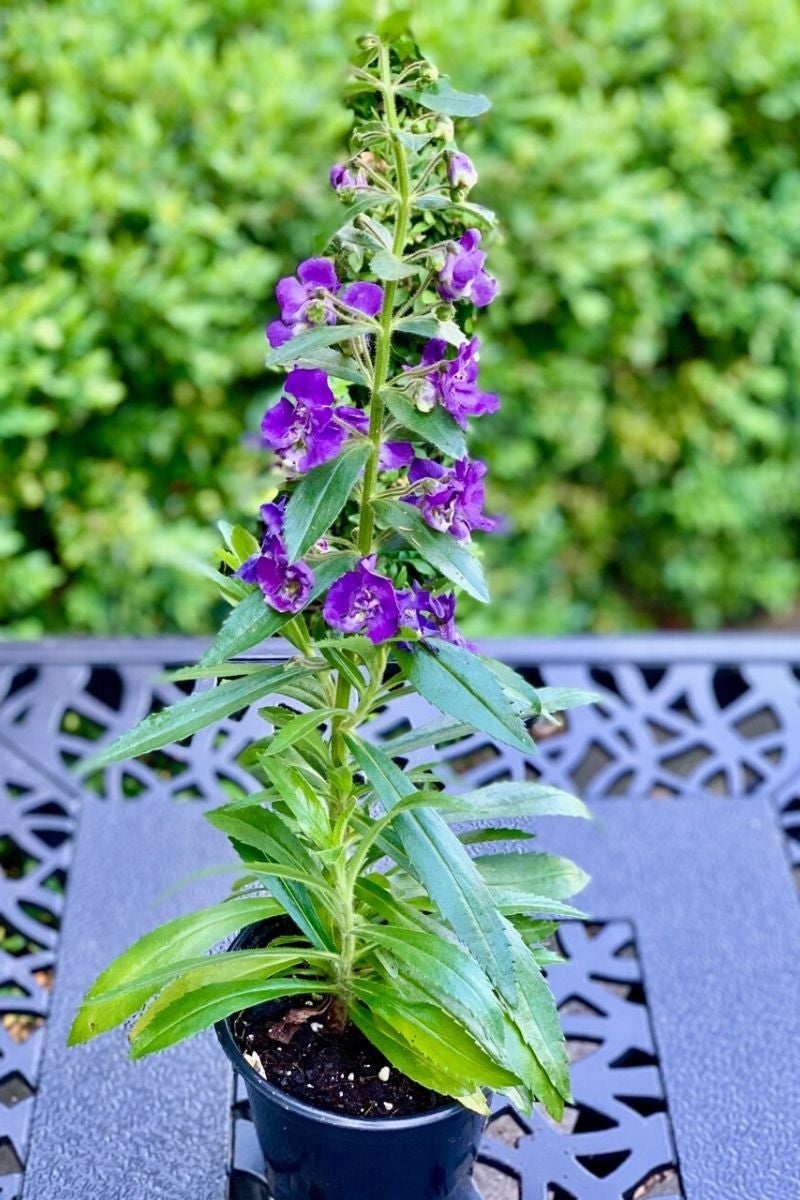
Angelonia (aka Summer Snapdragon)
- Almost orchid-like flowers arranged on vertical spikes like snapdragons, although more loosely arranged.
- Wonderfully useful due to wide color range including: white, pink, rose, bicolor and hard-to-find blue, lilac and purples.
- Plants are vase-shaped 10-20” tall, space 10” apart.
- Versatile in beds, containers and as cut flower.
- The flowers last and last and last!
Tips: Sun-loving and extremely heat tolerant. Deadheading (removal of spent flowers) isn’t a necessity, but I find rebloom better if you do. Different series are a reflection of flower size and plant height. ‘Angel Face’ series has the largest, most open flowers on 18-20” plants.
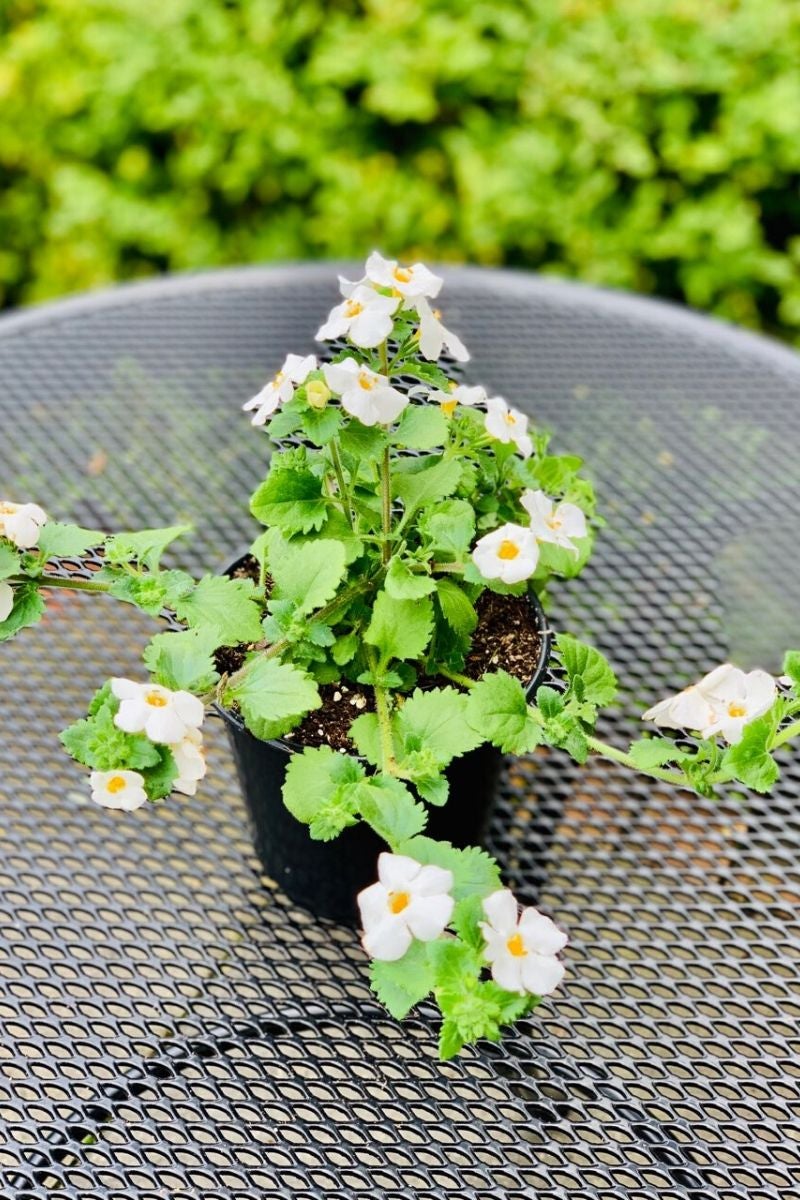
Bacopa (occasionally Sutera) –
- A flowering, trailing ground cover 4” tall, 20-30” wide.
- Generally used for mono-culture baskets or as tumblers in mixed containers.
- Flowers choices have been expanded from white to include lavender, lilac and pink. White is still #1 seller with no close competition.
- Low maintenance since flowers are self-cleaning, meaning no deadheading.
Tips: Must have consistent moisture in summer sun and heat. Afternoon shade site is fine. Don’t let this plant ever dry out completely, you’ll regret it. There are different series from different seed companies, the primary difference being flower size. Don’t put out too early, while cool is fine, frost is not.

Begonia –
- Huge family of versatile plants that can tolerate a wide range of light (sun to shade), but need well-drained soil.
- They tend to have very succulent stems which means it’s easy to overwater, especially if they’re in the ground in heavy soil.
- Partial shade is never a wrong answer to siting ANY begonia.
- They are very frost sensitive so don’t rush the spring season planting.
- Varieties:
- ‘Baby Wing’- The mini version of “Dragon Wing” at 12-15” tall. Great heat tolerance. Green leaf (white, pink, red & bicolor flowers) and bronze leaf (white, pink).
- ‘Dragon Wing’ – 118” tall, vigorous shrubby plants with big, bright lettuce green leaves. Very floriferous with tons of red or pink flowers. Heat tolerant, no deadheading. In a 10 or 12” hanging basket they’ll grow beyond the top of the hanger.
- ‘Whopper’ - The largest begonia series with plants topping out at nearly 3’ wide, with a 2’ spread. Great for beds viewed from a distance, huge containers or shade beds. Flowers are up to 3” in dia. Green leaf (rose & red flowers), bronze leaf (rose & red). Design reminder- dark colored foliage tends to “recede” in deep shade.
- ‘Rex’ – Grown for the stunning foliage (flowers are insignificant) with deeply lobed leaves of green, silver, maroon, and rose-pink that don’t fade in shade. Early morning sun, but no hot midday or PM sun. Plants grow 10-18” tall and 8-12” wide. Avoid constantly soggy soil and don’t overfertilize! ‘Jurassaic’ series.
- Tuberous ‘Nontop’ series – The best large-flowered tuberous begonias fromseed. Produces a high % of 3-4” dia. flowers from seed. Flowers are red, orange, white, pink, rose, yellow. Red or orange flowered plants may have bronze-red foliage as a benefit. 10” tall.
- Wax - The standard bedding begonias, with lettuce green or bronzed leaves with flowers in shades of: white, scarlet, rose, bicolor and pink. 8” tall and wide. Need no deadheading, minimal watering and fertilization. Great for short front-of-border massing.
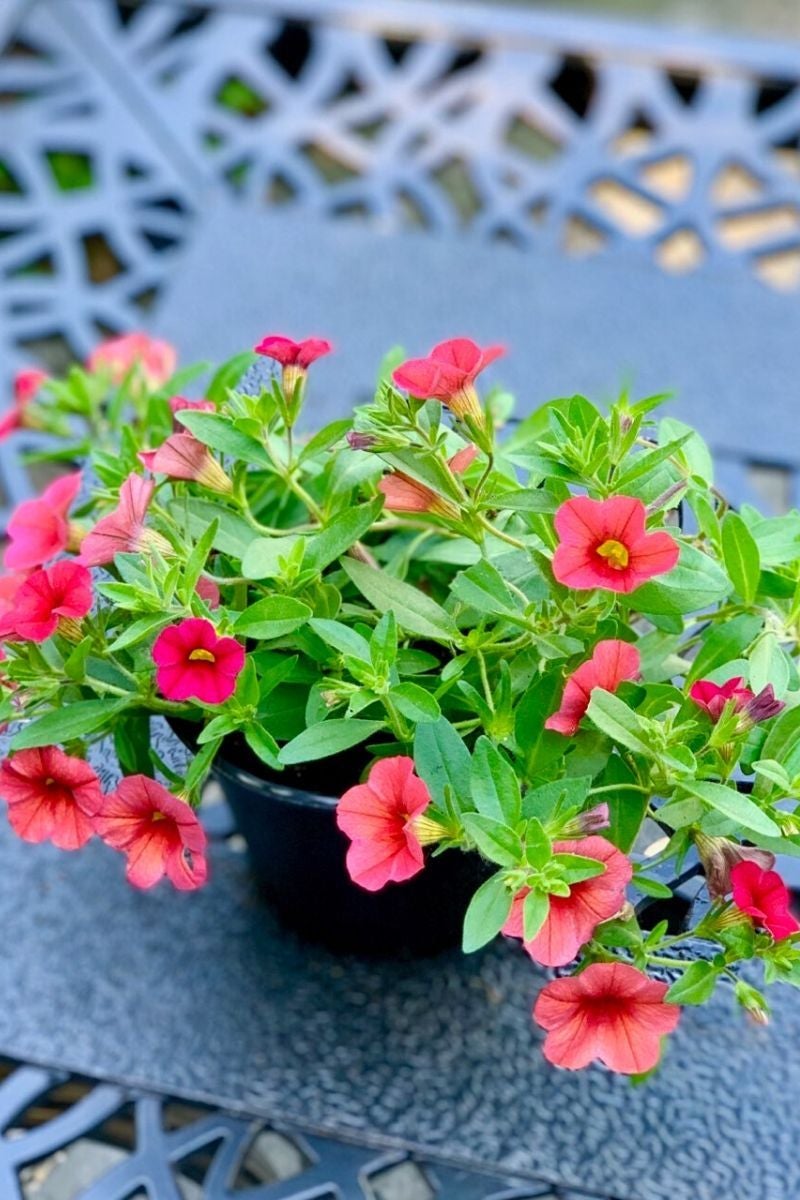
Calibrachoa –
- While versatile in ground beds and borders they really excel in hanging baskets and containers with their cascading habit covered with petunia-shaped flowers in practically every color and in combinations with striping.
- Low maintenance as they’re self-cleaning so deadheading isn’t necessary.
- Very heat tolerant.
Tips: Will tolerate some shade. Prefer even moisture, but become more drought tolerant as summer progresses and they have a more established root system. Really need regular fertilization. Can show chlorosis in high pH soils. Our Specialty Gardens group uses “Holly Tone” to overcome that issue. Like petunias they will benefit from a mid-summer cutback to encourage fullness. Every seed company has their own series, so don’t be confused by the range of varieties.
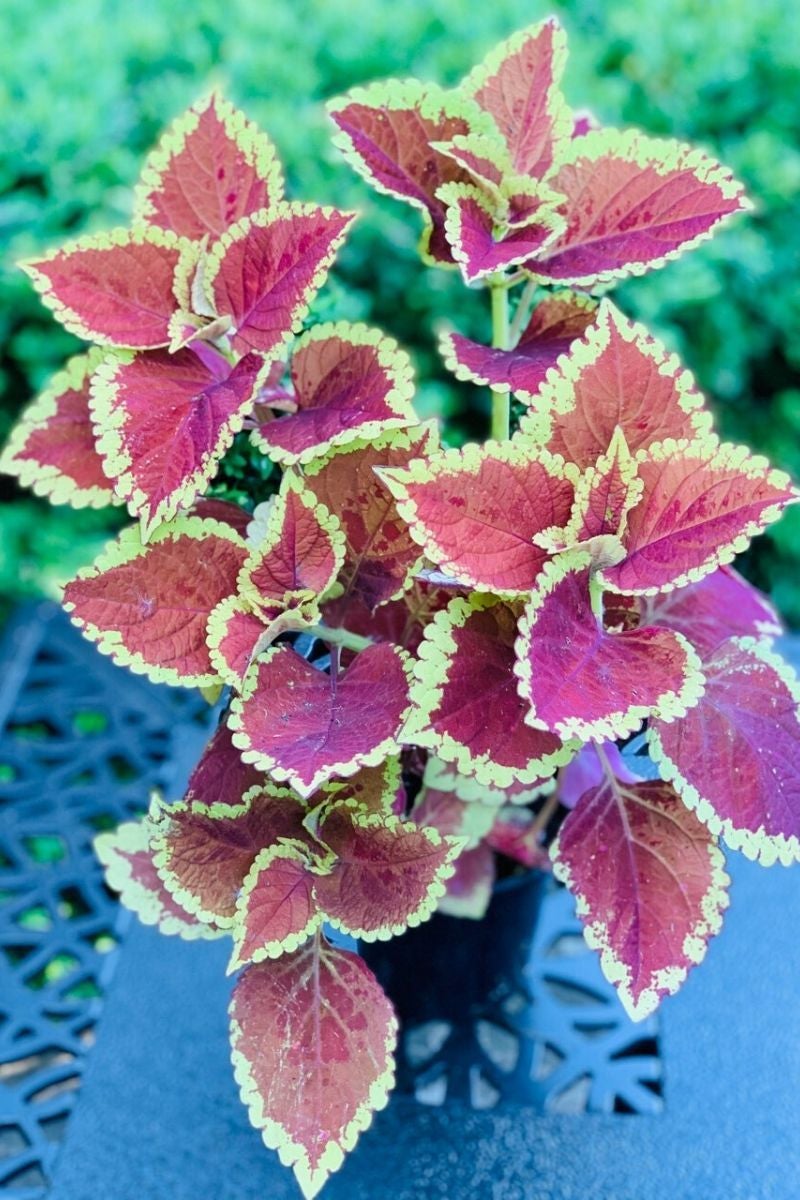
Coleus –
- Widely loved for their staggering range of colors and combinations as well as the fact they tolerate filtered, part or full shade.
- New series (‘Wizard’ and Stained Glasworks’) can tolerate full sun with consistent soil moisture. Equally suited for bedding or containers.
- I personally put 3 or 4 - 4” pots in a large container to get the effect of a large shrub by midsummer.
Tips: Darker varieties will take more sun. Light-colored foliage types need some afternoon shade to prevent scorch. Pinch out the flower buds as soon as you see them forming on branch tips. Don’t rush the season as they’re very frost sensitive tropicals.

Cordyline australis (Spike) –
- A favorite since Victorian times for it strongly arching foliage (green or otherwise), most often used as a center anchor for large containers.
- Virtually no maintenance.
Tips: Sun-loving, but will tolerate shade, drought, heat and cold weather, too. Expect it to slowly reach 18-30” tall based on the size you start with in the spring.
Gaura (Wand Flower)
- Annual or perennial? Theoretically, Zone 5 hardy.
- The 3’+ stems throw white or pink flowers virtually all summer long. Whites eventually fade to pink toward the end of their useful life!
- Butterfly magnets.
Tips: This one is a “leaner” so plant close together for self-support or prepare to stake/support in some way. Sun or partial shade. Very drought tolerant once established. Tend to seed about. If you don’t want the babies, do the deadheading on a regular basis.

Geranium –
- When grown well, either beds or containers, these can be beautiful.
- Great color range from raspberry reds, scarlets, true flag “reds”, violets, pinks, salmons, whites and more.
- Very heat tolerant and perfectly happy on the “dry side”
- Varieties:
- 'Balcony’ or cascade – Different than “ivy” geraniums in their foliage, the fact they don’t hang down as far, flowers are looser and total flower mass far exceeds that of the “ivies”.
- ‘Ivy’ – Bright green, waxy leaves with stems that cascade in containers or hanging baskets. Flower heads are large and a bit looser than zonals. Colors are more limited!
- Scented – Generally grown for their fuzzy leaves (flower effect is minimal) which possess varied scents when brushed or touched. These are sold along with the “Herbs” rather than the large-flowered geraniums.
- Variegated - Grown for their beautiful multi-colored foliage as well as striking flowers.
- Zonal - This is what most of us know as “geranium”. Grown from cuttings, named for the darkened bands on the leaves of many varieties. As mentioned above, so many more color options than red or scarlet!
Tips: Lots of sun. The secret to success is to keep them on the dry side and fertilize the heck out of them with a high “P”/hosphorous fertilizer. Deadheading is not good for aesthetics, but encouraging re-bloom as well. Try to keep the foliage dry, especially in pots as the season progresses to slow any fungal problems. When planted in the ground avoid irrigating 3 times a weeks. Remember they perform best in dry-ish soils. 
New Guinea Impatiens –
- These are the ones that are RESISTANT to the devastating Impatiens Downy Mildew.
- These will thrive in part to full shade.
- The flowers really are huge in shades of: orange, pink, purple, red, pink, lilac, violet, white and some bicolor variations.
- Foliage is most often green, but darker flower colors (orange, red often have darker, colored leaves).
- If shaded and evenly moist they will stand up well to high humidity.
Tip: No frost tolerance whatsoever.
Sunpatiens –
- Sunpatiens is a brand of Downy Mildew resistant impatiens from Sakata Seed. The advantage is they can go from sun to part shade with little or no difference in flower production.
- Available as: spreading, compact or vigorous. We carry compact series which get 18-24” tall and equally wide.
- Stems, leaves and flowers are thicker and more weather-resistant than New Guineas.
Tips: Space 12 -14” apart, they’re that spreading. Even moisture is important the first 2-3 weeks of establishment, then keep them dryer to force a heavy root system, which they do quite well.

English Ivy (Hedera helix) –
- Versatile not only for its ability to perform equally well in sun or shade, but for the variety of leaf sizes, color and vigor. Great spiller at the edge of pots and baskets.
- Can be dark green with silver veining, or green edged with creamy-white or gold edges.
- There is another species called Algerian Ivy (Hedera algierensis) that has a much, much larger leaf and is a much more vigorous grower. It, too, can be green or variegated with white.
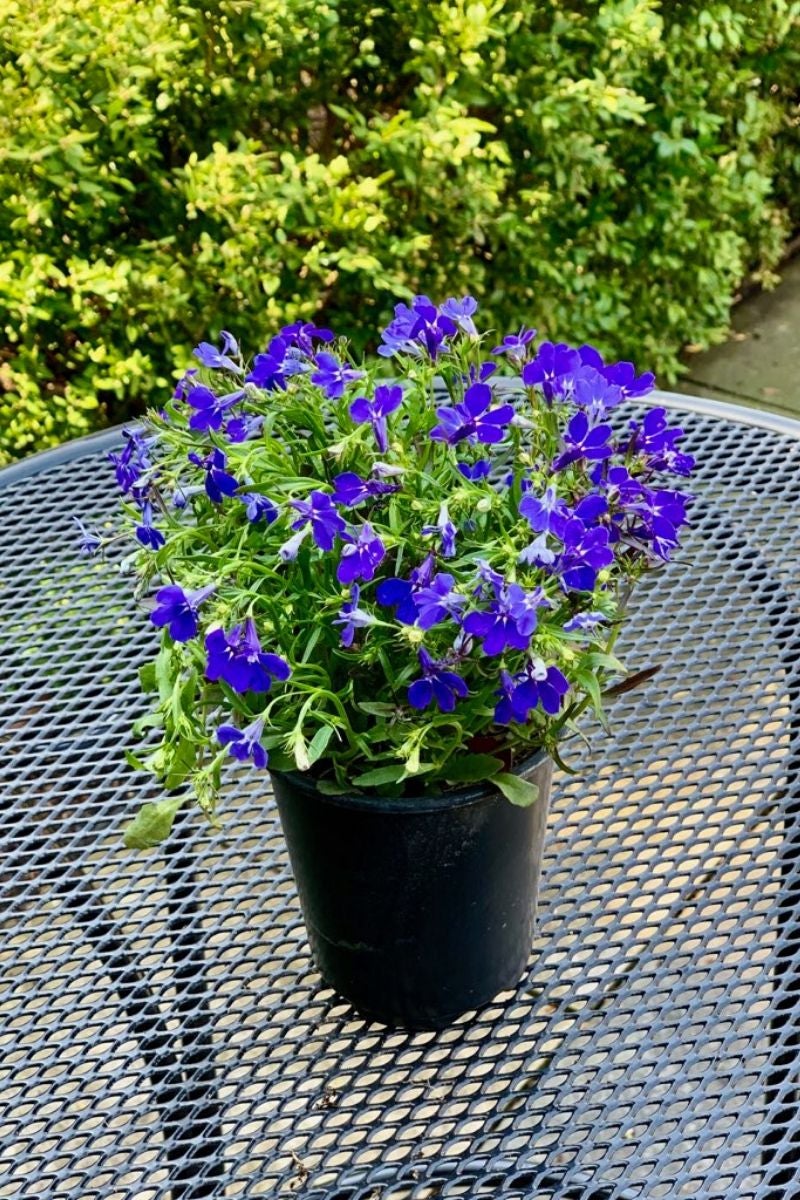
Lobelia –
- A great, truly royal blue plant that is best sited in partial shade, that is cool morning sun and shaded during the heat of summer afternoons.
- Primarily available in: royal blue, lilac-blue, mauve, pink and white. The darker colors may have contrasting white throats.
- Note there are red and blue perennial salvias, this is the annual.
- Two growth habits: compact (4-8” wide that tends to sit in a rounded mound without running) and trailing (12” long).
Tips: They like even moisture but must never be water-logged. Therefore performance may be best in containers with drainage as opposed to irrigated clay soil beds. Mid-summer a gentle shear-back should reinvigorate the plant.
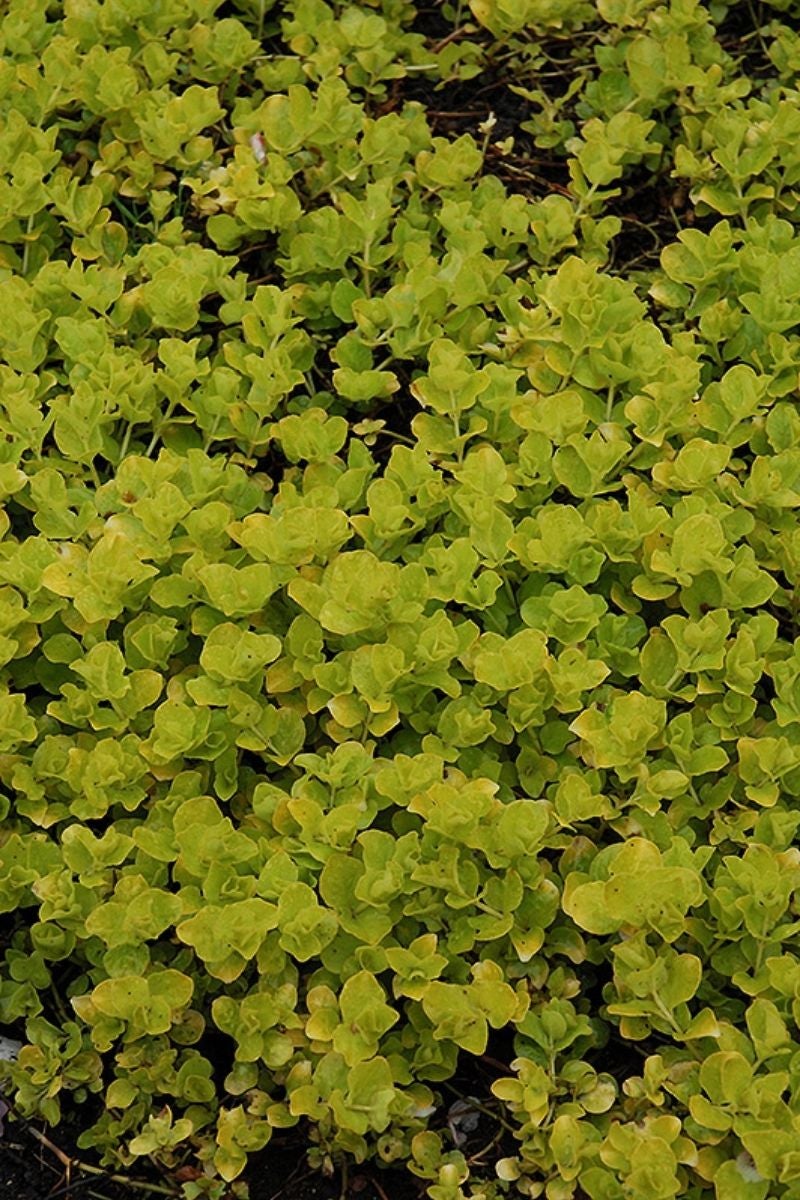
Lysimachia (Creeping Jenny)
- As an annual we carry the golden form (‘Aurea’), which is a great color accent for pots.
- Growing absolutely flat (2-4” tall), but cascading 12-18”.
- Cup-shaped yellow summer flowers.
Tips: Can grow the gamut from full sun to full shade. Just know that the gold leaf color is directly correlated to sun exposure. Shade= lime to green. Loves damp, the wetter it is the more it travels.
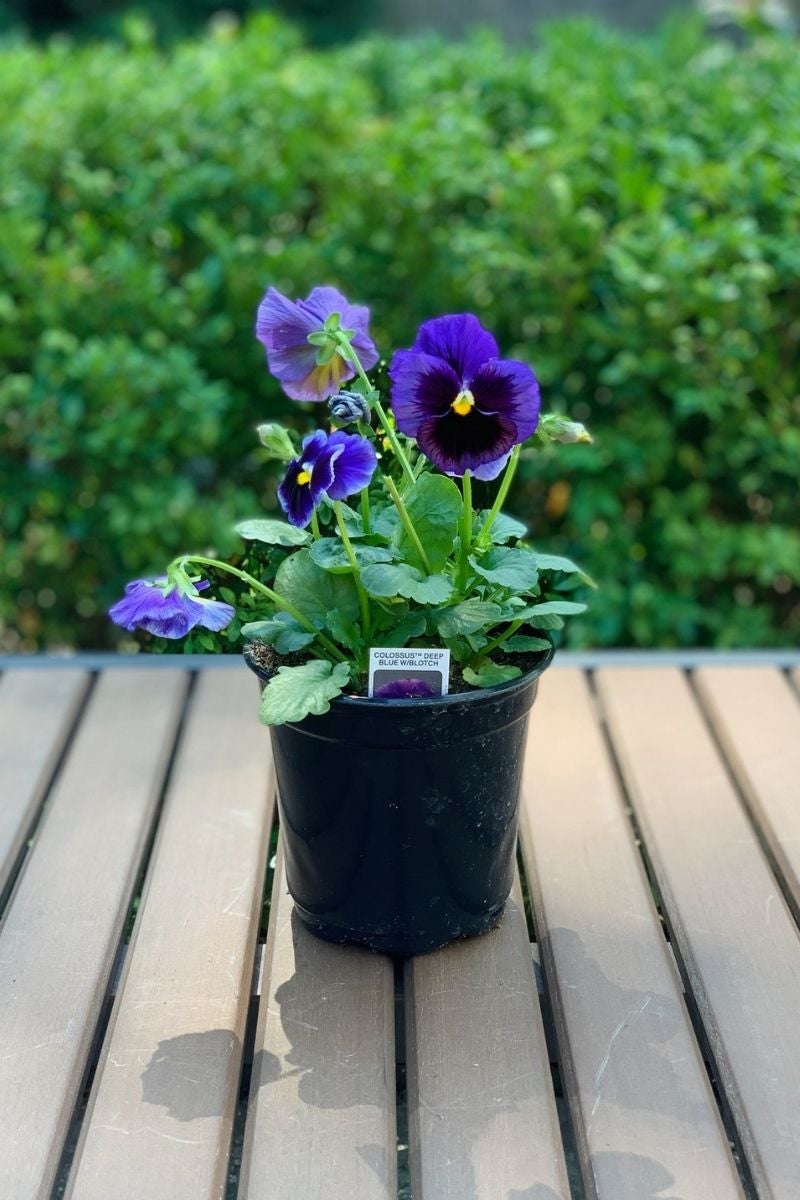
Pansy/Viola -
- These are the cool/cold hardy plants that satisfy the coming-out-of-hibernation gardener’s late winter lust to plant – equally happy either in containers or beds.
- We can have these as early as mid-March depending upon weather and our growers’ availability.
- Pansies and violas are very closely related. The biggest differentiator is that violas have conspicuously smaller flowers that are more profusely produced than pansies!
- Hybridizers have gone to town and pansies are available in almost every color but true red and true pink- but they’re getting close. Along with extending the range of colors come pure monochromatic flowers, faces, blotches, whiskers and even ruffles.
- With increasing warmth a lightly sweet odor will become apparent.
- Lovely in conjunction with spring bulbs or early flowering perennials.
- Spring and fall availability, especially pansies.
- Note: Customers may ask for “johnny jump ups”. What they’re USUALLY looking for is the tiny lavender, white and yellow tricolor viola! Violas will often reseed.
Tips: Full sun is fine while it’s cool or cold. If guests want to try to keep them into summer they need to plant in an afternoon shade spot. Deadheading (removal of spent flowers) makes a significant difference in rebloom.
Pentas (Egyptian Star Flower) –
- Great in sun containers or sunny beds.
- Butterfly and hummingbird magnet!
- Tidy, compact 15-18: tall plants that carry clusters of pink, lilac, red or white flowers all summer.
Tips: Quite heat tolerant as long as they’re kept evenly moist and not allowed to dry out! Deadheading is as much about plant aesthetics as it is about rebloom.

Petunia –
- Like pansies almost every color of the rainbow, including hard-to-find blues, lilacs and purples.
- They’re useful for beds, borders, containers and baskets.
- The trend is toward more profusely produced, but slightly smaller flowers, often flatter (as opposed to ruffled) so they shed water, are less disease-prone and rebound more quickly after rain or heavy watering.
- In spite of improvements “doubles” are far from perfect, both in numbers of flowers produced and plant habit.
Tips: Give them at least a half day of sun. Petunias, especially in the ground, are better dryer than wetter. Deadheading can be tedious, but pays dividends. Another grooming tip – About mid-summer petunias in containers and baskets are starting to get donut-centers. Don’t be afraid to take a pair of scissors, cut them back a minimum of 1/3 and ½ is usually fine, feed ‘em and in 3 weeks or so it will look as though you bought new plants.
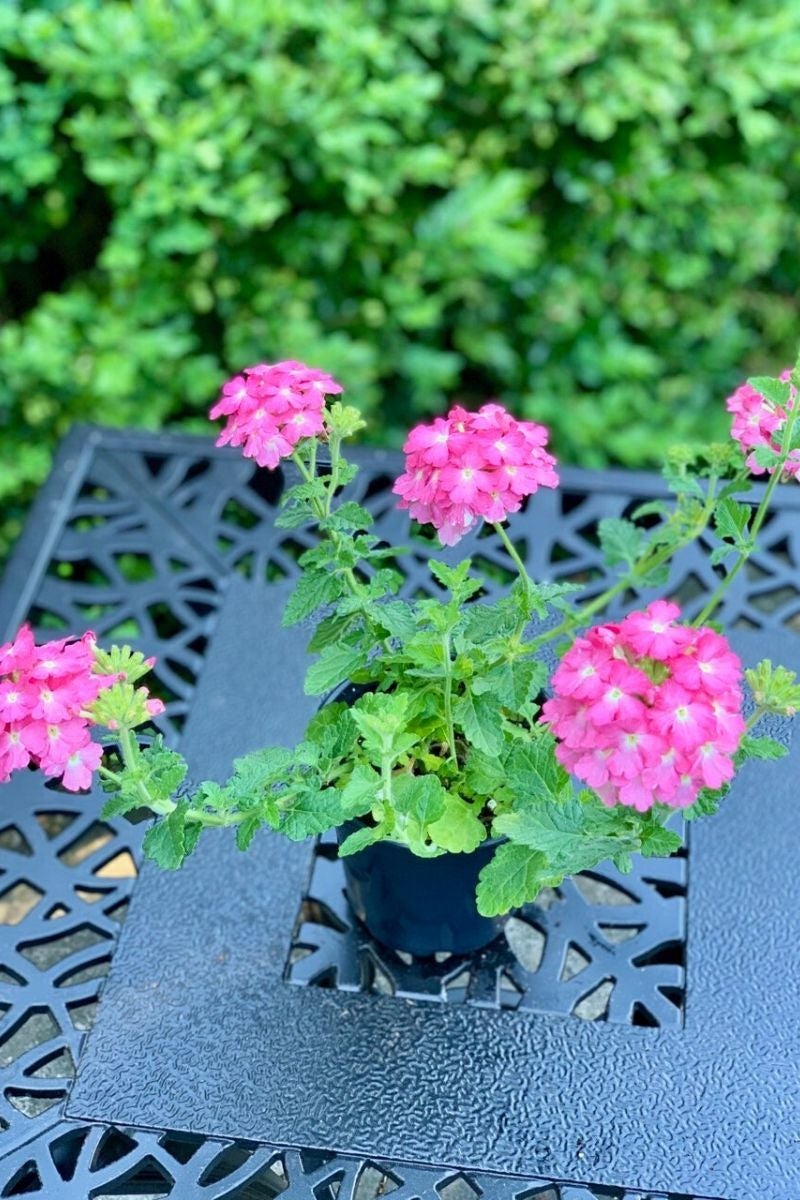
Verbena –
- Another colors-of-the-rainbow annual with rounded clusters of red, pink, purple, blue, white, peach and salmon, often with white centers! 8-12” tall.
- Like most annuals versatile as border edging, flowering ground cover, containers or baskets. Can be grown from seed or many new series are grown from cuttings so they perform uniformly.
Tips: Water when soil surface is dry. Never let them experience “hard wilt” for a day or two- There will be no rebirth once they’re potato chip crispy. Deadheading is tedious, but worthwhile. Full sun. Don’t plant until danger of frost is past.
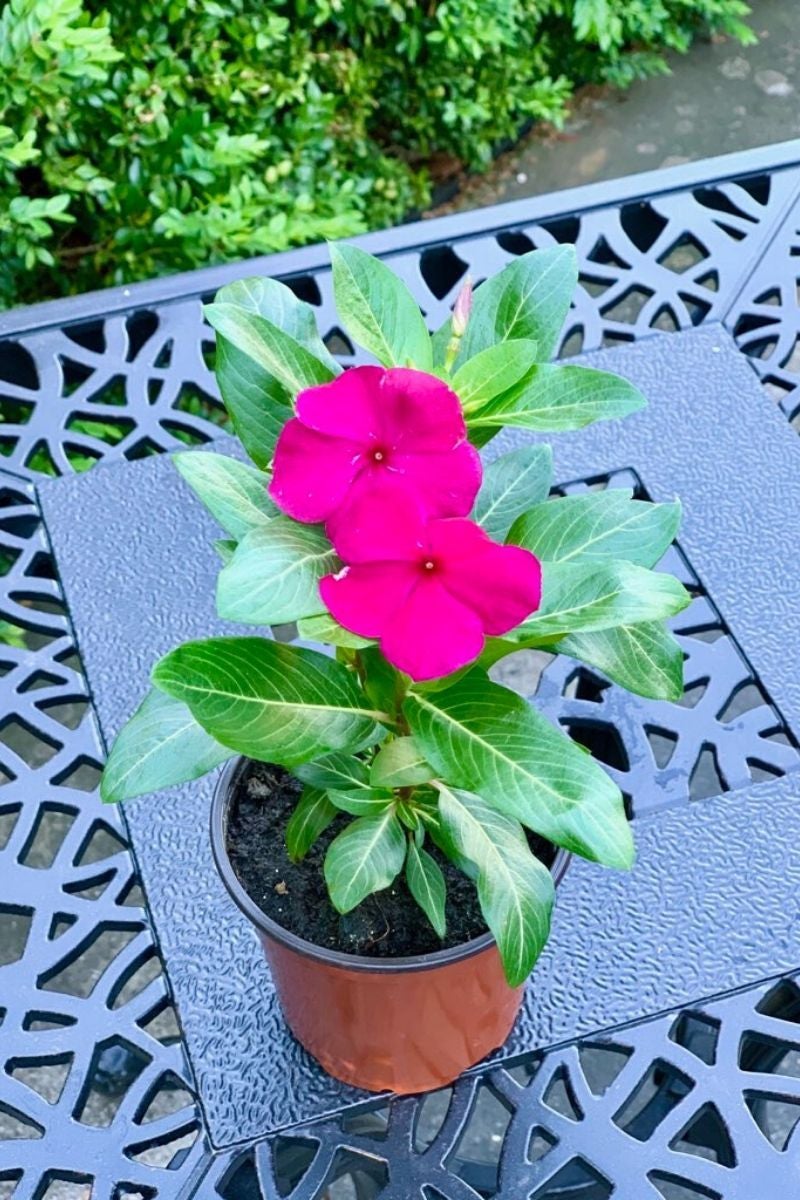
Vinca, Flowering (also known as Periwinkle) –
- When someone asks, “Where’s your vinca?” you must ask a clarifying question, which is, “ Are you looking for the flowering annual, the blue-flowered evergreen ground cover or the variegated vine for pots?”
Comments
0 comments
Please sign in to leave a comment.